News
Reinventing the Quarter-Acre Dream: Connecting Communities Through Flexible Spaces
May 7, 2026 | IN Media Release and News | BY AVID | 5 min read
Words by: Bruce Harper, AVID Property Group Executive General Manager
The average Australian residential block has shrunk by over 50 per cent in a generation, from the post-Second World War quarter-acre block gold standard to approximately 400sqm[1] across major cities, fundamentally reshaping how Australians live and connect with neighbours.
Over the past four decades of my career alone, I have personally witnessed housing density evolve from as low as nine dwellings per hectare in early masterplanned neighbourhoods to upwards of 25 per hectare in the average masterplanned community today – a figure that mirrors a national surge in housing density[2].
As the property development industry continues to adapt to increasing demand and decreasing space, it is time to rethink community design, returning to principles that served previous generations well while reinvigorating traditional design concepts for modern requirements.
The backyard evolution
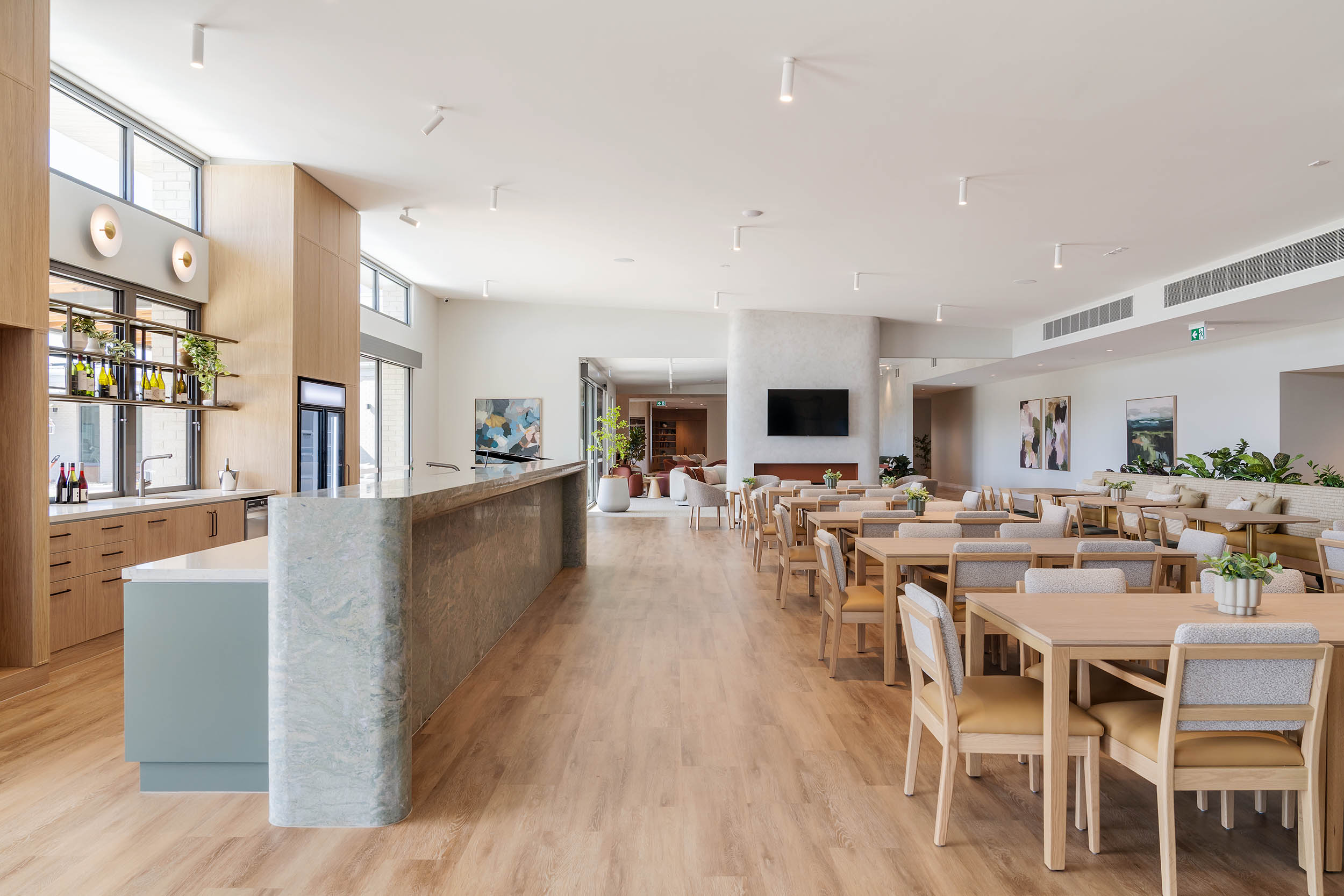
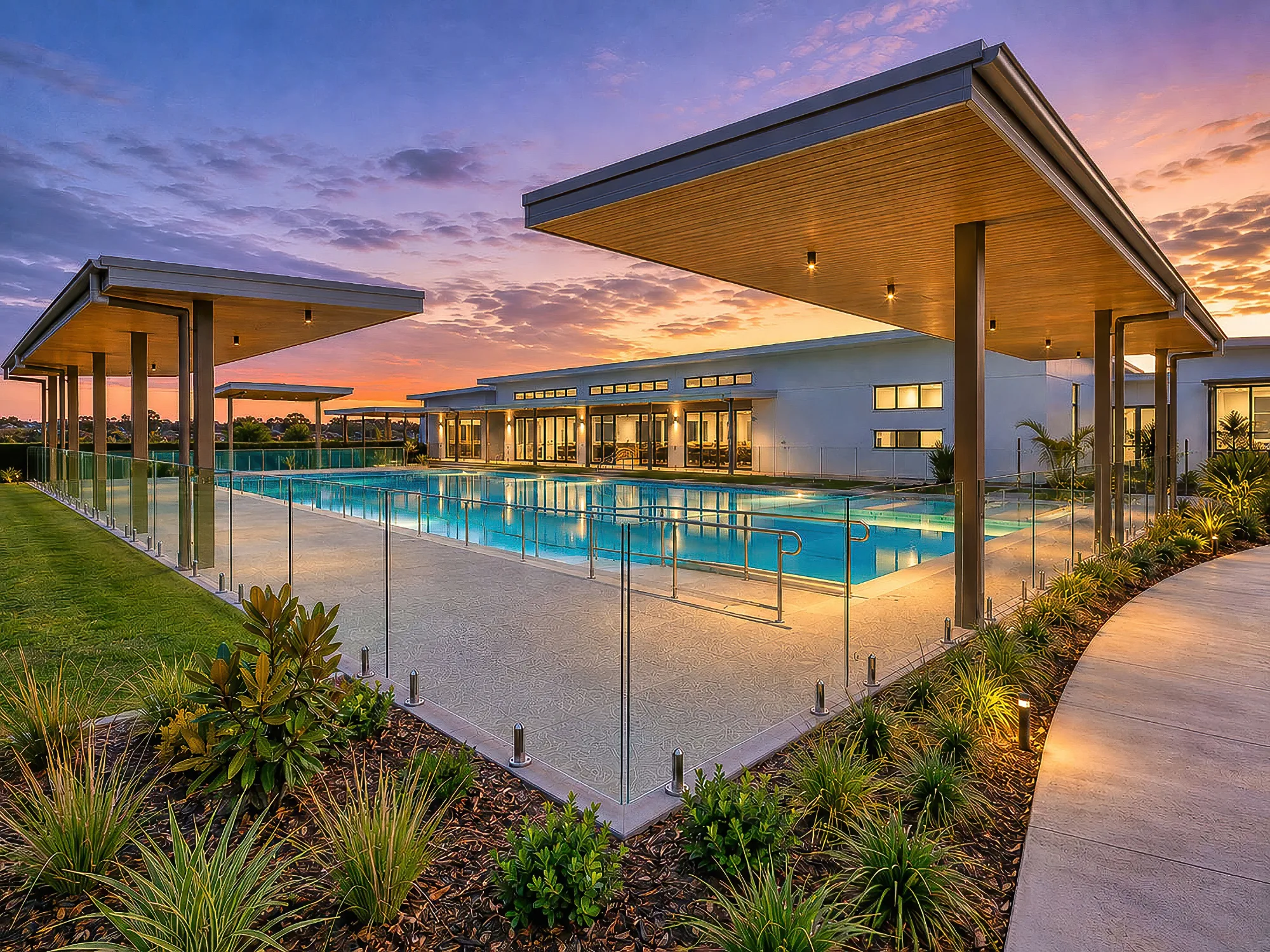
While the average lot size has reduced, backyards have moved from private land to the public realm, increasing the demand for usable shared community space.
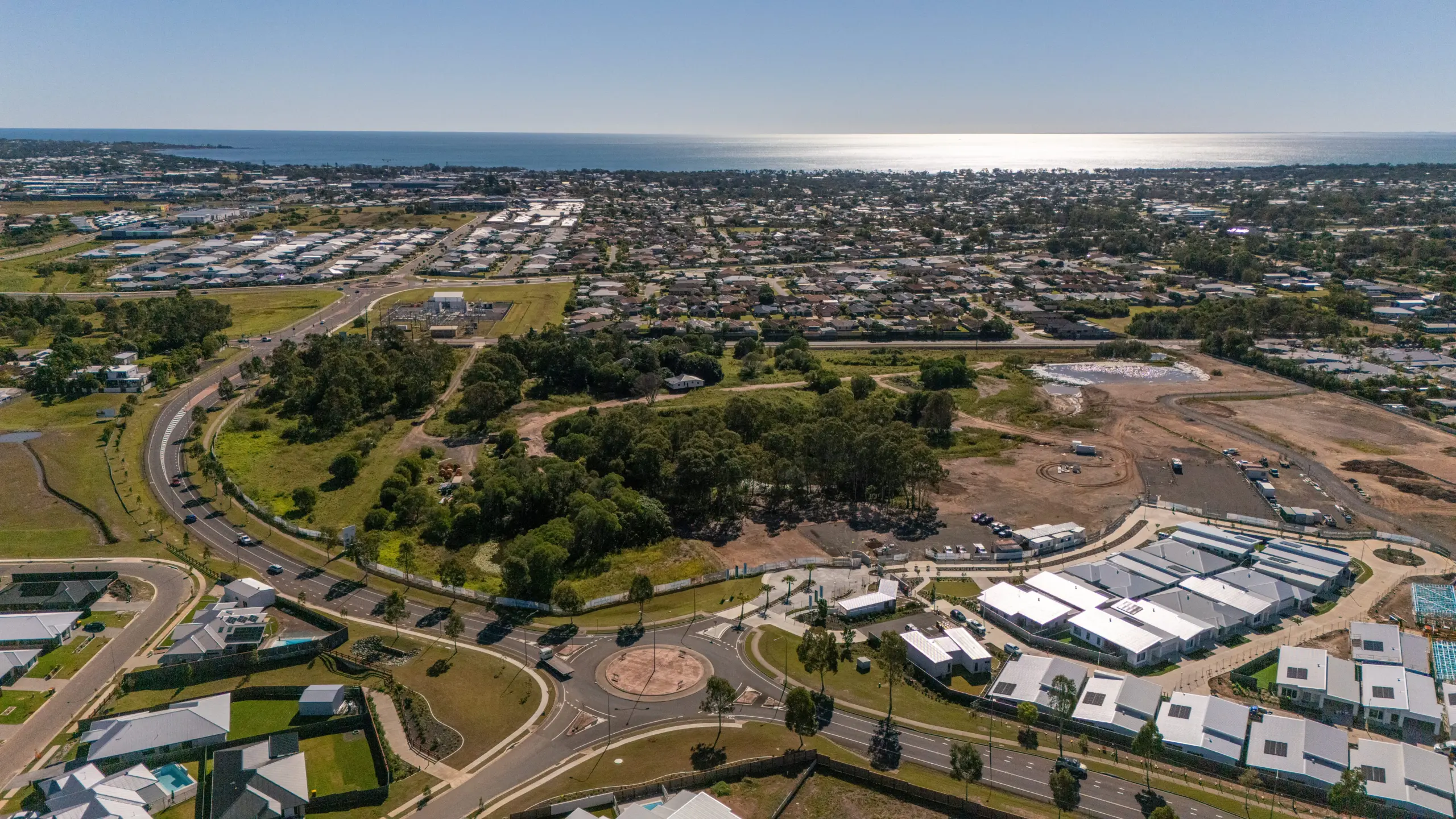
As an example, at Harmony on the Sunshine Coast, AVID has dedicated over 40 per cent of land to shared amenity, where neighbours have access to over 60km of footpaths and cycleways, parks and recreation points that double as hubs for community connection.
Our boutique communities address limited acreage through thoughtful use of land and development in strategic locations that make the most of public amenity where private amenity cannot be built.
At Amara on the Gold Coast – a finalist for the UDIA 2025 Residential Subdivision award – we transformed seven hectares of unusable farmland into functional green space through creative land use and landscaping, breathing new life into existing resources.
Positioned between the natural Pimpama ecological corridor and the M1 Pacific Motorway, even our selective approach to land acquisition plays a key role in developing desirable, connected neighbourhoods.
Adaptable homes for adaptable needs
With rising building costs and fewer greenfield sites available, one of the most critical considerations is how to increase resident value by making the most of less space.
The answer partly lies in returning to design principles our grandparents understood – homes with the ability to evolve rather than static floor plans designed for opening day.
Consider the traditional Queenslander, where verandas became rooms, under-house spaces transformed into workshops, and flexible layouts adapted as families changed.
Today’s shrinking blocks demand this flexibility even more urgently, yet most volume builders deliver homes that lock families into rigid configurations that become obsolete within five years.
By combining classic Queenslander-style homes that run narrow and deep with modern building techniques and lightweight materials, homes could be built for half the price of traditional brick construction with capacity for the only certainty in life – change.
The resident appeal is clear. Build the house your grandparents loved, but with modern flexibility while paying homage to Australian architectural heritage.
Turning constraints into community assets
Planning constraints often catalyse the strongest improvements in community design, and the way AVID approaches development is founded in a spirit of continuous innovation. It is in this spirit that we look forward to how AVID could innovate in future.
For example, In New Zealand, proposed change could soon become opportunity as the Ministry for Business, Innovation & Employment consults with NZ Post on expanding the use of communal letterboxes in neighbourhoods[3] instead of individual delivery.
The current resistance in New Zealand echoes reactions I saw in Adelaide, where the concept was first introduced for residential estates in the late 80s. The move was largely rejected by South Australians until communal letterboxes were built – it was in practice that the value became evident.
More broadly, these proposed changes signal a cultural shift towards efficiency that we must not only embrace but also maximise for community benefit. A letterbox cluster is just one example of ways we can use design to create natural meeting points and foster daily connection.
Whether it is stormwater management systems that have been installed as community wetlands or communities built on a modified grid system instead of curved streets that were once fashionable, good design remains most important to delivering quality projects that are not only attractive but also stand the test of time.
The future of the Australian neighbourhood
At AVID, we’re not lamenting the death of the quarter-acre block dream, we’re architecting its evolution into something more valuable – genuine community connectivity in the age of suburban sprawl.
Density, when paired with thoughtful design and investment in shared infrastructure, delivers the neighbourhood experience Australians actually want, where neighbours know each other’s names and the walk to the local park matters more than the size of your backyard.
It is forward-thinking developers that are proving the smaller block can actually enhance quality of life through fresh approaches to community design, positioning masterplanned communities as more valuable than ever.
[1] Quarterly Market Insights (QMI) – September Quarter 2025 | Oliver Hume
[2] Housing density has surged across Australia’s cities, yet home prices keep hitting fresh records | ABC News